
There’s a moment at every camp when the energy either clicks or completely falls flat. It usually comes down to one thing: the games. The right activities can turn a group of strangers into a team, while the wrong ones can leave kids bored, distracted, or disengaged.
That’s why thoughtful planning matters more than ever, especially when mixing outdoor and indoor summer camp game ideas to keep things fresh and balanced. Strong summer camp games don’t just entertain; they teach, challenge, and build confidence in ways kids don’t even notice.
This blog walks through practical, engaging ways to choose and structure games that actually boost learning.
Why the Right Games Make or Break Summer Camp
The games you choose set the tone for the entire camp experience. They influence how quickly kids connect, how comfortable they feel participating, and how engaged they stay throughout the day. When games are too complicated, too slow, or poorly matched to the group, kids lose interest fast.
On the other hand, well-chosen games create momentum. They build trust, encourage teamwork, and give every camper a chance to contribute in their own way. The right mix of physical, creative, and strategic activities keeps energy balanced and helps kids learn without feeling like they’re being taught.
7 Fun Summer Camp Game Ideas
The best camp activities combine movement, creativity, and problem-solving in ways that feel natural and exciting. Mixing different types of games ensures that every camper stays engaged, whether they enjoy competition, collaboration, or imagination. These ideas for summer camp games bring together strategy, teamwork, and fun to create meaningful experiences.
Giant Board Games

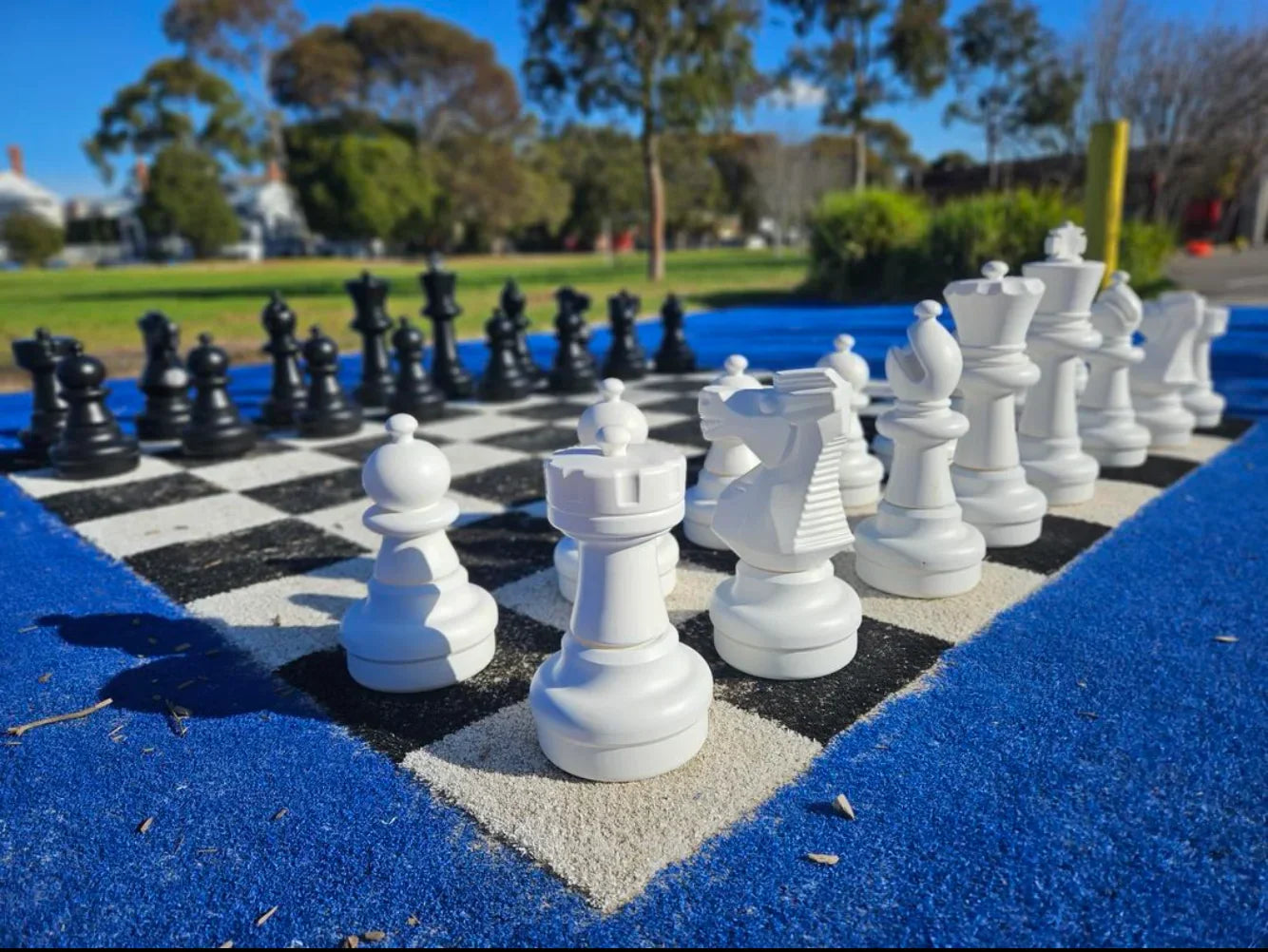
Life-size board games like giant chess sets, checkers, and 4-in-a-row turn simple concepts into immersive, hands-on experiences. Instead of sitting and watching, kids physically move pieces, making the game more active and engaging. Giant chess, in particular, encourages strategic thinking, planning, and teamwork when played in groups. These larger-than-life formats naturally draw attention and create a social environment where campers gather, interact, and learn together.
Trivia Games
Trivia games are a great way to sneak learning into a fun, competitive format. You can tailor questions to match the camp theme, age group, or even things campers have learned throughout the day. Whether it’s general knowledge, nature facts, or pop culture, trivia keeps minds active and sparks curiosity. It also gives quieter campers a chance to shine, especially when played in teams.
Relay Race Puzzles
Relay races become much more meaningful when you add a problem-solving element. Instead of just running from point A to B, campers complete a puzzle, riddle, or task before tagging the next teammate. This combination of physical movement and thinking keeps both body and mind engaged. It also reinforces teamwork, as each camper contributes to the overall goal.
Scavenger Hunt Clues
Scavenger hunts are one of the most versatile camp games because they can be adapted to almost any setting. By adding layered clues, you turn a simple search into a critical thinking challenge. Campers learn to observe their surroundings, follow instructions, and work together to solve problems. It’s a perfect blend of exploration and strategy.
Water Balloon Toss
Water games are essential for keeping energy high, especially on hot days. A water balloon toss adds a layer of coordination and teamwork, as pairs must communicate and adjust their movements. You can increase the challenge by stepping farther apart or adding rules to make it more strategic. It’s simple, refreshing, and always a crowd favorite.
Improv Skit Games
Improv games encourage creativity, quick thinking, and confidence. Campers work in small groups to act out scenes, solve prompts, or create short performances on the spot. These are especially useful as summer camp indoor game ideas when outdoor play isn’t possible. They help kids express themselves, collaborate, and build communication skills in a relaxed, low-pressure setting.
Circle Icebreakers
Circle games are perfect for bringing everyone together, especially at the start of the day. They help campers learn names, build comfort, and ease into group interaction. Simple activities like passing a ball, rhythm games, or quick challenges can quickly break the ice. These games set the foundation for stronger participation in everything that follows.
How to Choose the Right Summer Camp Games for Your Group

Not every game works for every group, and choosing the right mix is what separates a smooth day from a chaotic one. Understanding your campers, your space, and your goals helps narrow down the best options. Thoughtful planning around games for summer camp ideas ensures that activities feel engaging rather than forced.
Group Size
Larger groups benefit from games that keep everyone involved at once, like relay races or team-based challenges. Smaller groups can handle more detailed or strategy-based activities, such as giant chess. The key is minimizing downtime so campers stay engaged.
Age Range
Younger campers need simple rules and fast-paced activities to hold their attention. Older groups can handle more complex games that involve strategy, problem-solving, or longer playtimes. Matching the difficulty level to the group ensures everyone can participate confidently.
Energy Level and Time of Day
Morning games can be more active and high-energy, while afternoon or evening activities should help wind things down. Paying attention to energy levels helps prevent burnout and keeps campers focused. A good mix of movement and calm activities creates balance throughout the day.
Equipment and Budget
Some of the best games require little to no equipment, making them easy to organize on short notice. Others, like giant board games, may require an investment but offer long-term value and repeat engagement. Planning within your resources ensures consistency and sustainability.
Ways to Structure Camp Games for Maximum Learning
The way you organize games matters just as much as the games themselves. A thoughtful structure keeps campers engaged, prevents fatigue, and creates a natural flow from one activity to the next. The right sequencing helps maximize both fun and learning throughout the day.
Start With Icebreakers
Starting with simple, low-pressure games helps campers feel comfortable right away. Icebreakers reduce social anxiety and encourage participation from the beginning. When kids feel included early on, they’re more likely to engage in later activities. This sets a positive tone for the rest of the day.
Layer Energy Levels
Alternating between high-energy and low-energy games prevents burnout and keeps attention levels steady. After a physically demanding activity, a quieter or more creative game gives campers time to reset. This balance helps maintain enthusiasm without overwhelming the group. It also ensures that different personality types stay engaged.
Rotate Game Types
Mixing different categories (i.e., physical, strategic, and creative) keeps the experience fresh and dynamic. Campers are more likely to stay interested when each activity offers something new. Rotating game types also allows different skills to shine, from teamwork to problem-solving. Variety keeps the day exciting and inclusive.
End With Reflection
Wrapping up with a reflective activity helps reinforce what campers learned throughout the day. This could be a simple discussion, a creative recap, or a group activity that ties everything together. Reflection helps kids process their experiences and build confidence. It turns a fun day into a meaningful one.
Elevate Summer Camp Experiences with MegaChess

Sometimes, the difference between a good activity and a memorable one comes down to scale and interaction. MegaChess brings both, turning traditional games into engaging, hands-on experiences that naturally draw campers in. As a seller of giant chess sets, MegaChess helps camps introduce strategy, movement, and social interaction into a single activity.
Here’s how MegaChess enhances camp experiences:
-
Interactive Learning: Giant chess encourages critical thinking and planning while keeping kids physically active. Campers learn strategy by doing, not just watching, which makes the experience more engaging and memorable.
-
Social Engagement: Large-format games naturally attract groups and spark interaction among campers. They create shared moments where kids collaborate, compete, and connect.
-
Versatile Use: Giant sets can be used for structured lessons, free play, or team challenges. This flexibility makes them a valuable addition to any camp environment.
By combining physical movement with mental challenges, MegaChess turns simple gameplay into a powerful learning experience. It’s a unique way to make camp activities stand out while adding long-term value.
Browse our collection and purchase your own giant game today!
Key Takeaways
-
The right games shape the entire camp experience, making engagement and participation easier.
-
A balanced mix of physical, creative, and strategic activities leads to stronger learning outcomes.
-
Thoughtful planning around game ideas for summer camp helps match activities to group size, age, and energy levels.
-
Structuring games with a clear flow, from icebreakers to reflection, keeps campers engaged all day.
-
Adding interactive elements, such as giant board games, can elevate both fun and learning in a meaningful way.